


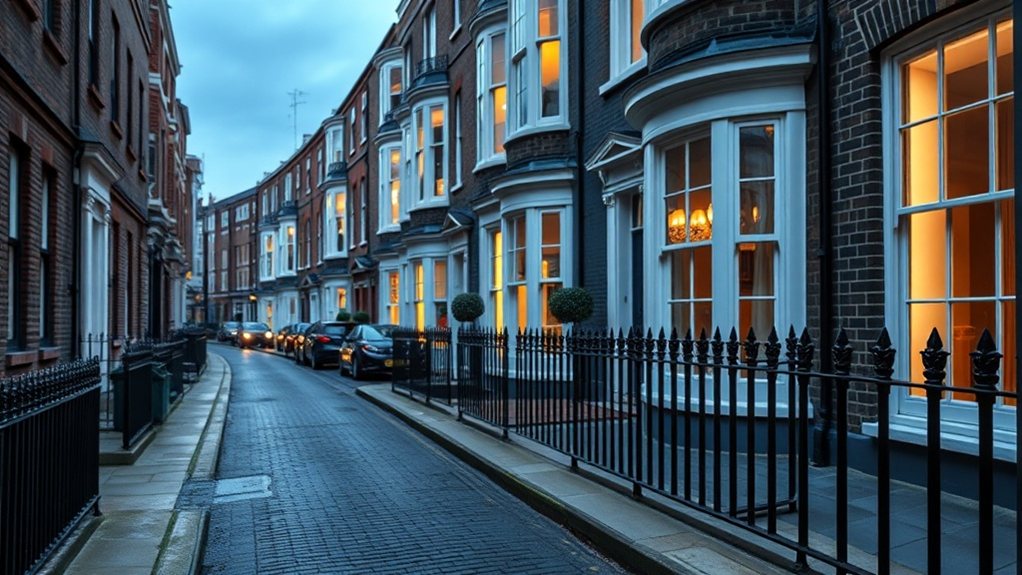
Double Glazing Streatham Hill — Replacement Windows & Doors
We supply and fit made-to-measure double glazing across Streatham Hill: windows, doors, conservatories and skylights for homes, landlords and local firms. You get a free survey, a fixed written quote, fitting by a FENSA-registered team and a 10-year guarantee on the work.
Streatham Hill Double Glazing has been fitting windows and doors for many years. We work on period terraces, post-war semis, new builds and flats. This page sets out what we fit, how it performs, what drives the cost and how to choose the right option for your home.
Windows: Styles and Materials
Every window we fit is made to measure for its opening. Our usual glass is an A-rated, 28mm sealed unit with a low-E coating and argon fill. We make each style in uPVC, aluminium or timber. You can see the full range on our double glazing windows page.
Casement Windows
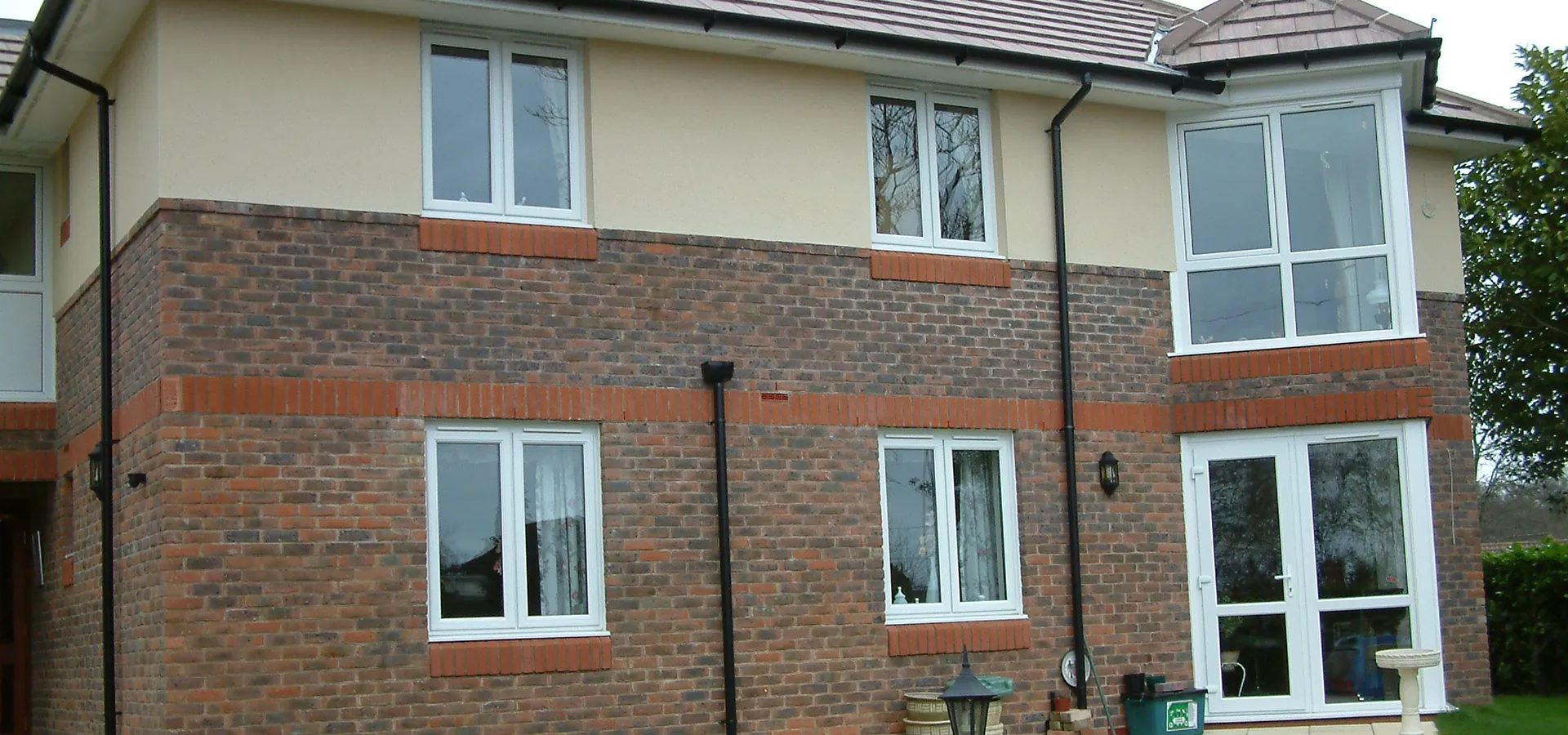
Casements are the most common window in UK homes. They hinge at the side or top and open outwards. They suit most houses, old or new, because the lines are clean and the action is simple. We fit them with multi-point locks, key-locking handles and beads on the inside, so the glass can't be taken out from outside.
Flush Casement Windows
A flush casement sits level with its outer frame. It looks like a timber window from the street, without the lipped edge of a standard uPVC sash. That makes it a good match for terraces, villas and older streets. You keep the right look and gain modern glass behind it.
| Feature | Benefit |
|---|---|
| uPVC flush frame | Low maintenance finish with a timber-style appearance |
| A-rated glazing | Low-E, argon-filled 28mm unit for improved heat retention |
| Narrow sightlines | Better match for Georgian and Edwardian proportions |
| Aluminium flush style | Slimmer sections and more strength on wider openings |
Finishes include white, black and a wide range of colour foils. We can add Georgian bars or split the glass into more panes where the house needs it.
Tilt and Turn Windows
Tilt and turn windows do two jobs. Tilt the sash in at the top for safe, steady air flow. Turn it fully in to clean the outer pane from inside the room. They work well in flats, on upper floors and in tight spaces where you can't reach the outside.
Aluminium Windows
Aluminium gives you slim frames and more glass. A good frame has a thermal break, so it still keeps the heat in. It suits extensions, rear walls and wide openings. Steel-look aluminium gives older houses thin glazing bars without the upkeep of real steel. If you are torn between the two main frame types, our guide to uPVC or aluminium sets out the trade-offs on cost, strength, sightlines and care.
Doors to Match Your Windows
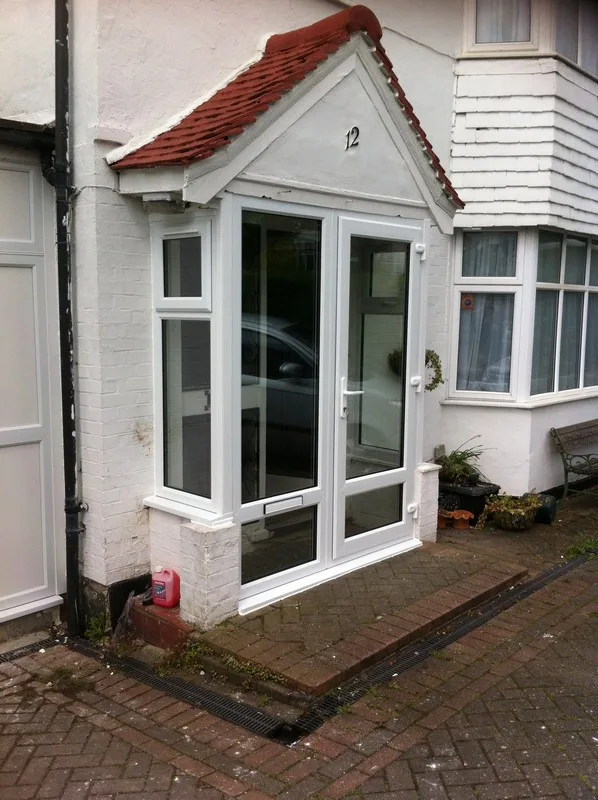
A new door should match the windows on style, heat loss and security. If it doesn't, the front door becomes the weak point of the whole house. We plan doors and windows together, so the locks, glass and colours line up. See our double glazing doors page for the full range.
- Composite doors have an insulated core and a tough outer skin. They suit period and modern homes, and come with multi-point locks and a British Standard cylinder.
- uPVC doors are the closest match for new uPVC windows. Using the same colour, glass and bar pattern makes the front of the house read as one job.
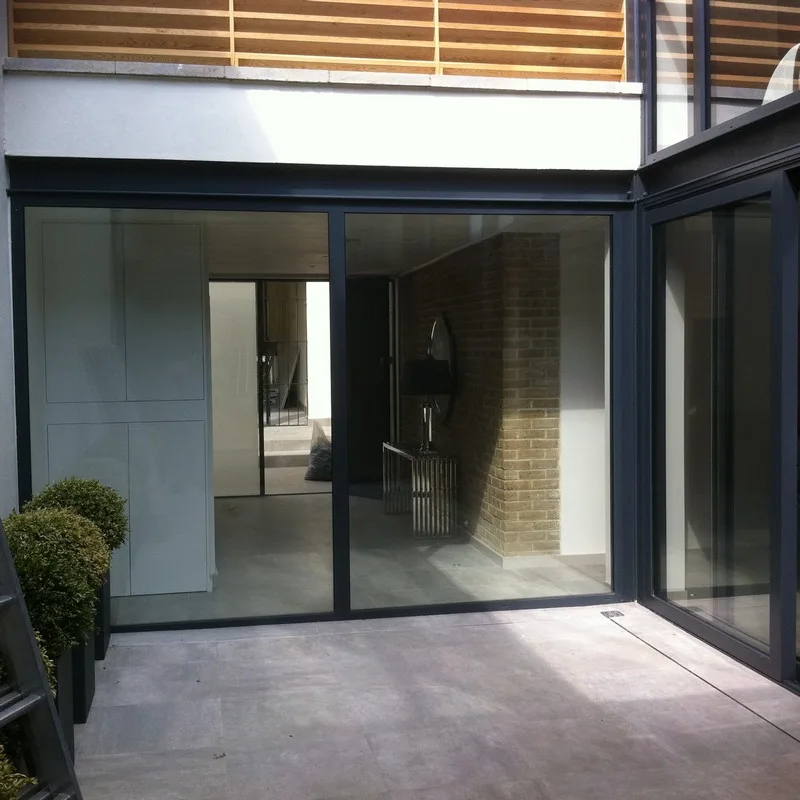
- Aluminium bifold doors suit wide openings. The panels fold and stack right back in summer.
- Aluminium sliding doors give you the largest area of glass and take up no floor space when open.
On any large glass door, ask for thermally broken frames, anti-lift rollers, toughened safety glass and well-set seals. We fit all of these as standard on our sliding and bifold doors.
Conservatories, Skylights and Commercial Glazing
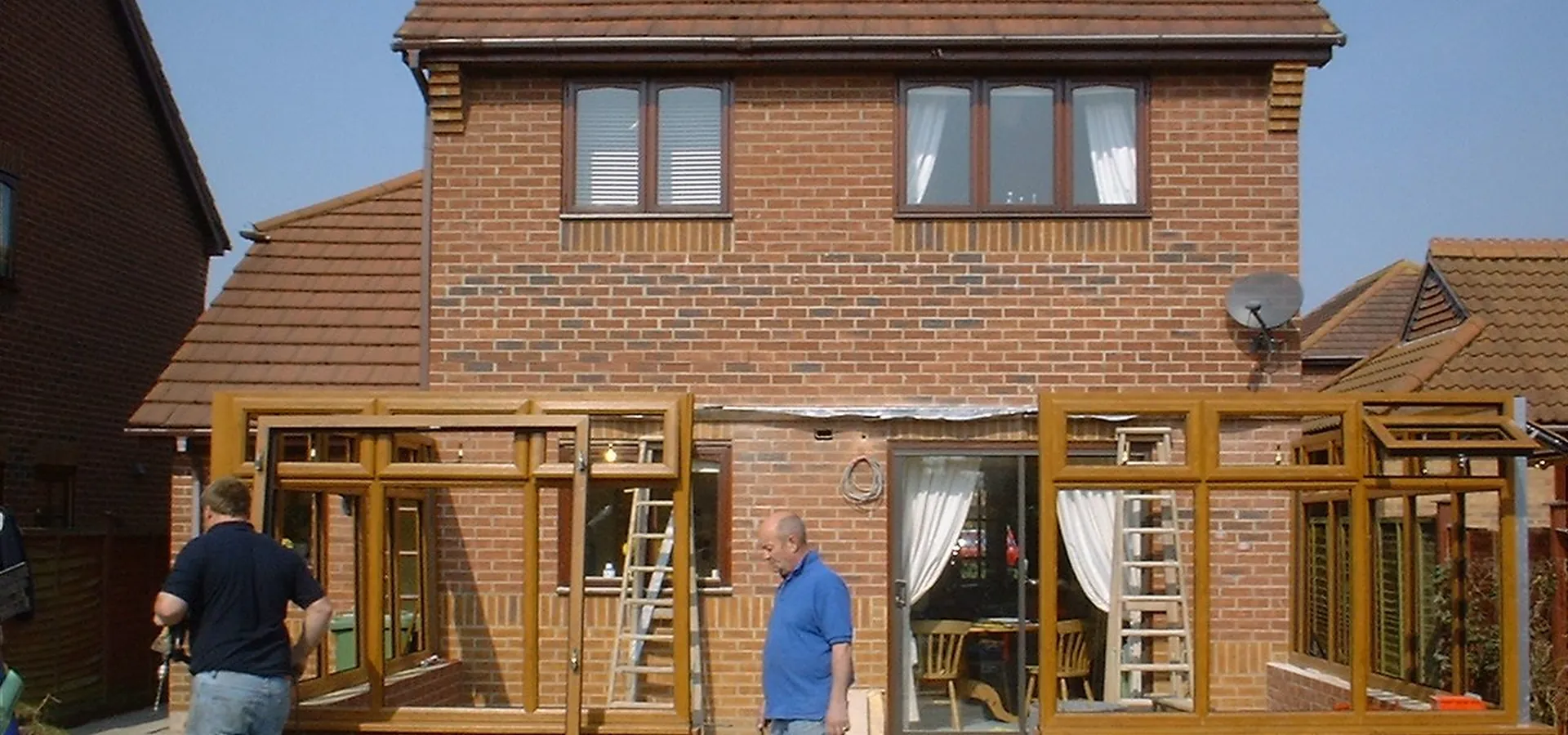
We build and refit conservatories, from new lean-to and Edwardian designs to new roofs and glass on an old frame. The same rules apply as for windows. You need good glass, a sound base and a tight seal where the room meets the house. Solar-control glass keeps the room cooler in summer.
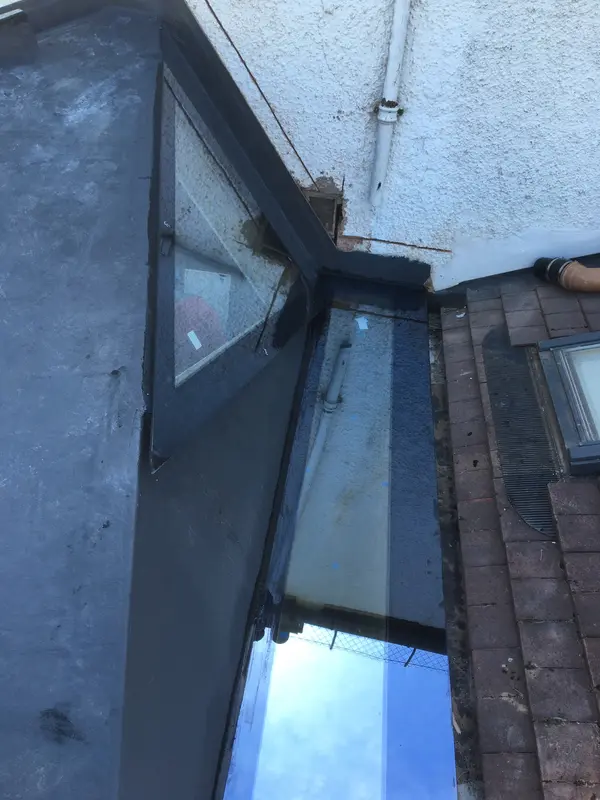
For dark rooms, we fit skylights and roof lanterns on flat and pitched roofs. The double glazed units cut heat loss and stop water forming on the glass. Shops, offices and landlords in Streatham Hill can ask about our commercial glazing service. It covers shopfronts, aluminium doors and window swaps across whole blocks.
Repairs and Misted Units
Not every problem needs a new window. If the frame is sound, we can often fix it. We replace failed glass units, broken hinges, worn seals, faulty locks and handles. Our window and door repairs page lists the jobs we take on.
Misting between the panes means the seal on the unit has failed. Damp air has got into the gap, and the gas fill has leaked out. You can't clean it away. The fix is a new sealed unit, made to fit the frame you already have. Our guide to misted double glazing explains the signs and the options.
Energy Performance and U-Values
Old single glazing is one of the main ways heat leaves a home. A window's U-value tells you how fast heat passes through it. The lower the number, the better the window keeps heat in.
- Single glazing has a centre-pane U-value of about 5.6 W/m²K.
- A modern A-rated double glazed unit is about 1.2 to 1.4 W/m²K at the centre of the pane.
- Part L of the Building Regulations sets a limit of 1.4 W/m²K for the whole window when you replace one in England.
Always ask for the whole-window U-value, not just the figure for the glass. The frame and the spacer bar change the final result. Low-E glass, argon fill and warm-edge spacers all help. You can read more on our energy-efficient windows page.
Triple glazing takes the U-value lower still. It makes most sense on cold, exposed walls and on big areas of glass. Our guide to double or triple glazing explains when the extra spend is worth it. Some homes may also qualify for help through local window grants.
Security and Noise
A modern double glazed window is far harder to break into than old single glazing. But security comes from the whole build, not from one part. This is what each feature does:
| Security feature | Practical benefit |
|---|---|
| Multi-point locking | Locks the sash into the frame at several points, not just one |
| Toughened or laminated glass | Takes more force to break and holds together better if hit |
| Internally beaded units | Glass cannot be removed from outside |
| Reinforced uPVC or aluminium frames | More resistance at hinges, keeps and lock points |
| FENSA-registered installation | You get a FENSA certificate number on completion for traceable compliance |
If security comes first for you, ask for laminated glass on ground-floor windows and doors. Fit counts too. If a frame is out of square, the locks won't throw fully, so we pack every frame square and level.
New windows also cut outside noise. A standard sealed unit blocks a lot of road and rail sound. If you live on a busy road, these upgrades make the most difference:
- two panes of different thickness, so they don't shake at the same pitch
- laminated acoustic glass, which damps sound and adds security
- tight seals such as Q-LON gaskets, so sound can't leak round the sash
Period Homes and Conservation Areas
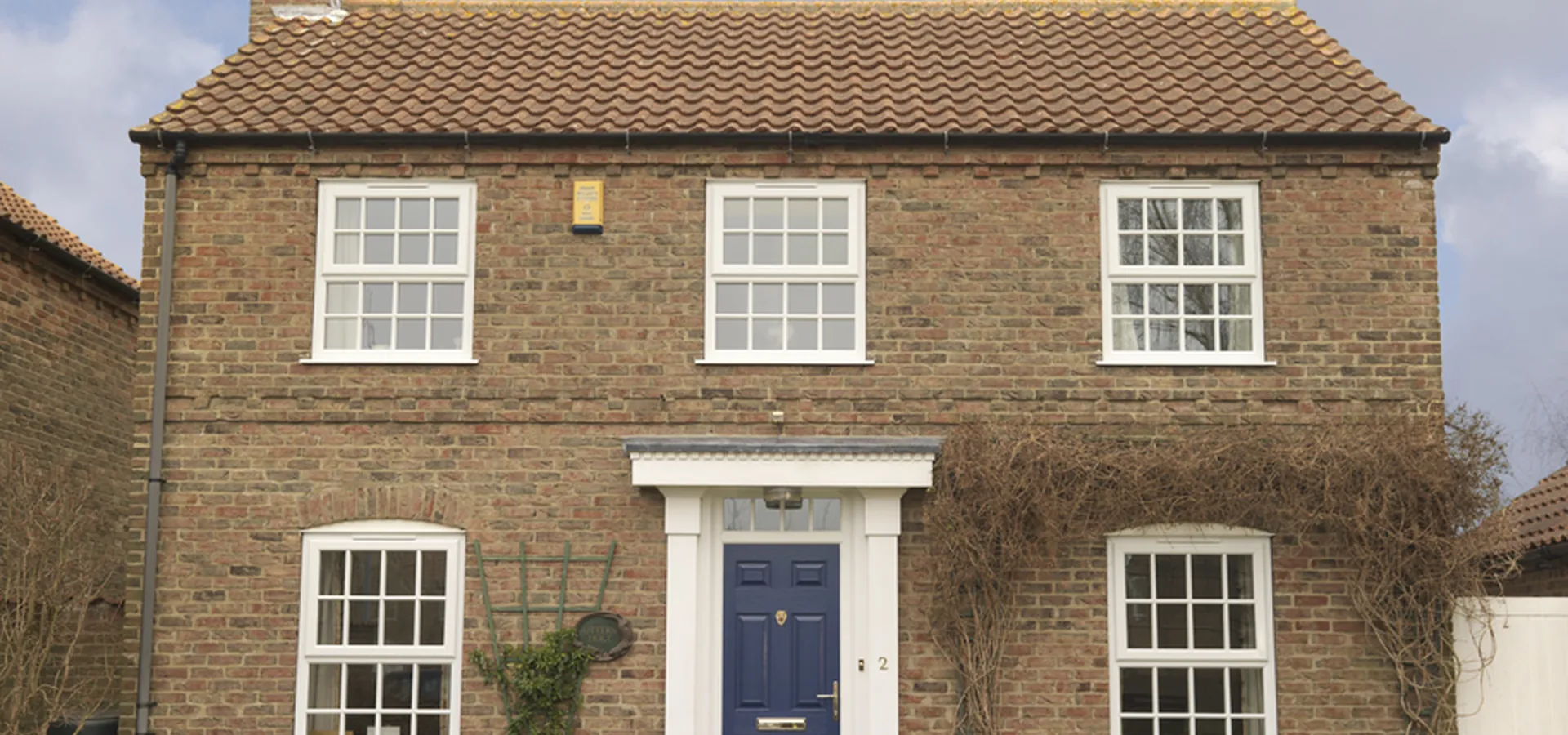
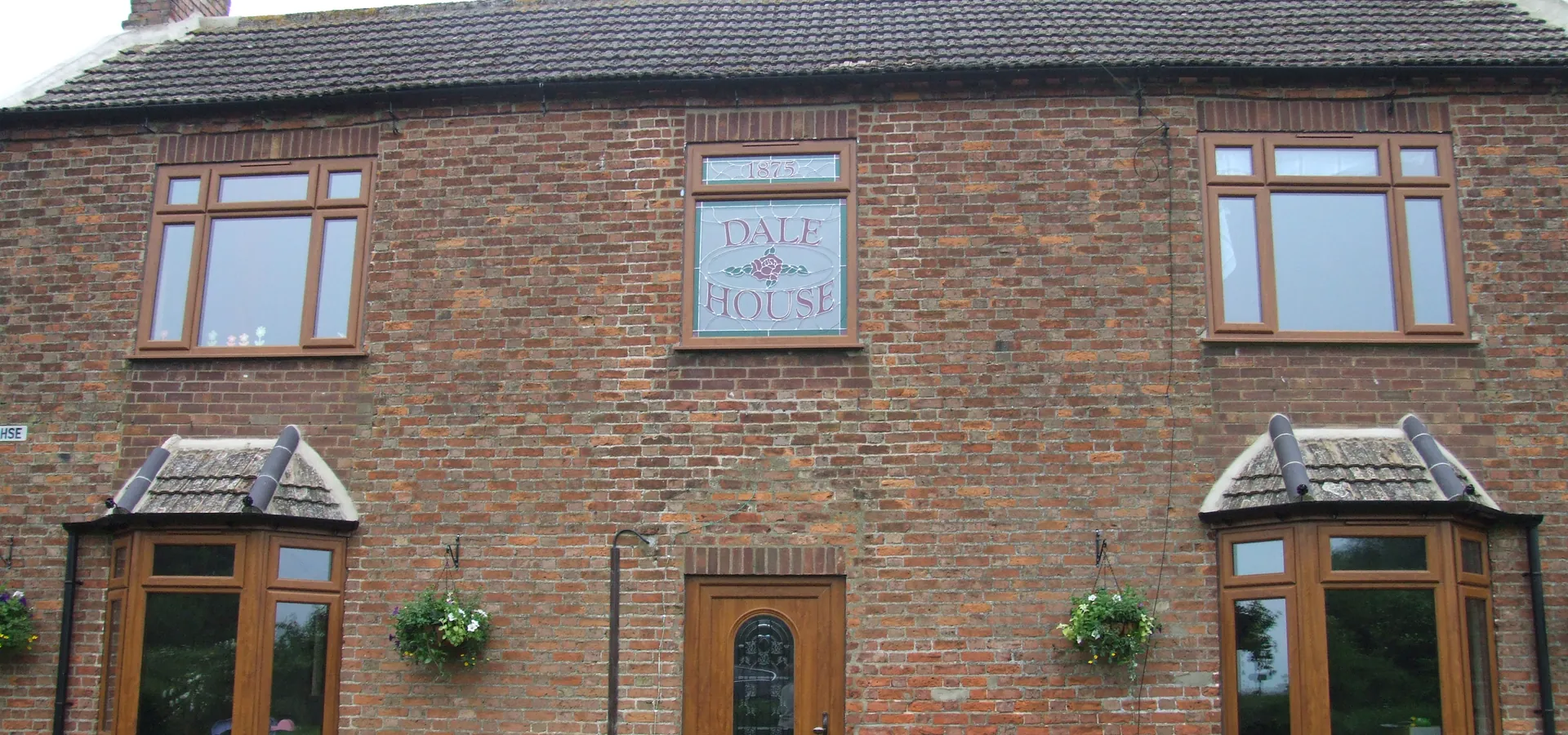
Period homes need the right look, but you don't have to live with cold rooms. We fit made-to-measure sash and flush casement windows that keep the original lines. Then we fit modern glass where the frame is deep enough to take it.
Georgian houses often need timber sashes with six or eight panes per sash, with the right bars, horns and frame widths. On Victorian terraces we match bay sash windows in timber, or in uPVC where upkeep is a worry. Edwardian bays often have more sides and simpler bars, so the frame shape matters more than the colour. We also match period-style handles and catches, so the house still looks right from the street.
Most window swaps count as permitted development. The rules get tighter in conservation areas and for listed buildings. A change of material, bar pattern or shape may need planning permission, most of all where an Article 4 Direction is in force. A listed home needs listed building consent whatever glass you choose.
All new windows must also meet Building Regulations. As a FENSA-registered firm, we sign off our own work and you get a certificate when the job is done. That covers Building Regulations only. It does not replace planning permission, so we always advise you to get the council's view in writing before we make anything.
What Drives the Cost of Double Glazing?
No single figure tells you what your windows will cost. The price of each job comes down to a few clear factors:
- Frame material: uPVC costs the least. Aluminium costs more for its strength and slim lines. Timber and heritage sashes sit at the top end.
- Glass: acoustic, laminated and triple glazed units cost more than a standard A-rated unit.
- Size and style: bays, sashes, bifolds and wide sliders take longer to make and fit.
- The house itself: access, scaffold, new lintels, repairs to the opening and making good all add time on site.
Our double glazing prices page goes into these factors in more depth. The only true figure for your home is a fixed, written quote after a free survey. When you compare firms, check that each quote covers the same glass, locks, removal of old frames, waste and the certificate. Payment stages are set out in the written quote, so you know where you stand before work starts.
How We Work
We start with a free survey, where we measure every opening and talk through the options. You then get a fixed written quote, and once you approve the design we make each frame to measure, fit it, and sign off the work with your certificate and guarantee. Our how we work page sets out each step from survey to aftercare.
To get started, ask for a free quote and we will book a survey at a time that suits you. You can also contact us with photos of your windows if you want a rough idea first.
Why Choose a Local FENSA-Registered Installer?
A local firm knows the houses, the conservation areas and how the council treats window plans. It can also come back quickly if anything needs a tweak after fitting. Before you sign with anyone, check that they:
- are registered with FENSA and will give you a certificate when the job is done
- give a written guarantee and say who backs it
- show you the full spec, with whole-window U-values and the locks they plan to fit
- offer enough choice to suit your home, not one window for every opening
- put lead times and aftercare in writing before work starts
We tick each of those boxes. We have been fitting windows and doors for many years. Our work comes with a 10-year guarantee. You can read what our customers say on our reviews page.
Areas We Cover
We fit double glazing across Streatham Hill and the nearby towns and villages. That includes Telford Park, Leigham Court Road, Palace Road, Christchurch Road and Brixton Hill. Each area has its own mix of homes, from old terraces to new estates, and we know what works in each. See the full list on our areas we cover page.
Frequently Asked Questions
Is It Worth Replacing 25 Year Old Double Glazing?
In most cases, yes. If the seals have failed, the glass mists up, the frames have warped or you can feel draughts, the windows no longer do their job. Modern A-rated units with argon fill and low-E glass hold heat far better than older units. Today's multi-point locks are also much stronger than the locks fitted a generation ago.
How Much Does It Cost to Double Glaze a 3 Bed House UK?
It depends on how many windows you have, their size, the frame material and whether you add doors or bays. A house with plain uPVC casements will cost far less than one with timber sashes or wide aluminium sliders. Our prices page explains the main factors. A free survey then gives you a fixed, written figure for your home.
Do Replacement Windows Need Building Regulations Approval?
Yes. New windows and doors must meet Building Regulations for heat loss, safety glass and air flow. You don't need to apply yourself if a FENSA-registered firm does the work, because we register the job for you. You then get a certificate. Keep it with your house papers, as you will need it when you sell or remortgage.
Is Triple Glazing Worth It Over Double Glazing?
For most homes, a good A-rated double glazed unit gives the biggest gain for the money. Triple glazing makes more sense on cold, north-facing or exposed walls, in rooms with lots of glass, and near heavy traffic. The units are heavier, so the frames must be built to carry them. We can show you both side by side at the survey.
Will New Windows Stop Condensation?
New double glazing keeps the inner pane warmer, so water is far less likely to form on the glass. But new windows are more airtight, so steam from cooking, washing and drying clothes needs a way out. We fit trickle vents where Building Regulations ask for them. Open a window or run an extractor fan so damp air doesn't settle on your walls.
Which Areas Do You Cover?
We fit double glazing across Streatham Hill and the nearby area, including Telford Park, Leigham Court Road, Palace Road, Christchurch Road and Brixton Hill. If you are not sure whether we work near you, check our areas we cover page. Or send your postcode through our quote page and we will confirm before we book a survey.
For more answers, see our full FAQ page.
Tell us which windows or doors you want to replace and we will arrange a free home survey and a written, fixed price. Email us your name, phone number, postcode and a short description. Photos help too.
[email protected]
Email Us for a Quote
Or call 020 4634 6779.